Vegetables Svg Png Eps Review
First Impressions of Vegetables Svg Png Eps
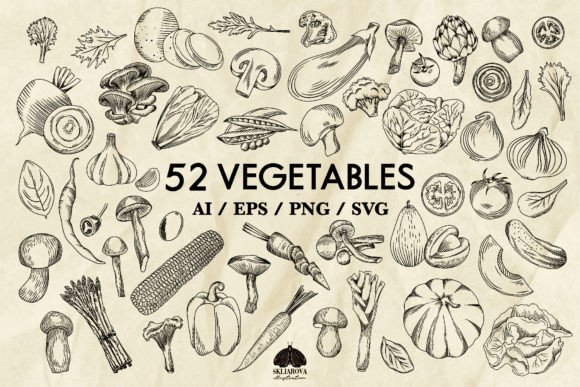
The Vegetables Svg Png Eps set immediately catches the eye with its hand-drawn charm. The illustrations feel organic, with a gentle, approachable style that evokes a sense of warmth and simplicity. Each vegetable is rendered with care, making them ideal for projects that aim to feel handmade and authentic.
The layout is clean and well-organized, with each design clearly separated and easy to navigate. The variety of vegetables offers flexibility, allowing for both standalone pieces and cohesive sets. This makes it a strong choice for embroidery designers looking to create themed collections or personalized items.
The level of detail is just right—enough to be visually interesting without being overly complex. It’s a design that works well in both simple and intricate embroidery projects, depending on how you choose to use it.
Real-Life Use Cases for Vegetables Svg Png Eps
Imagine preparing a custom embroidered tote bag for a local farmer’s market vendor. Vegetables Svg Png Eps would make a perfect fit, offering a fresh, nature-inspired look that aligns with the brand’s identity. The designs could be used as a central motif or as part of a larger pattern, adding visual interest without overwhelming the fabric.
For a sweatshirt or t-shirt design, the versatility of the set allows for creative placement. Whether as a small accent on the sleeve or a bold statement on the front, the illustrations maintain their clarity and charm. They also work well for baby clothes, where the soft, whimsical style can appeal to parents looking for something unique and safe.
When it comes to patches, the Vegetables Svg Png Eps set shines. The vector files ensure that the designs can be scaled up or down without losing quality, making them suitable for both small and large hoop sizes. This flexibility is a big plus for crafters and small business owners who need to adapt designs to different project needs.
Considerations for Using Vegetables Svg Png Eps
While the design is versatile, there are a few areas where caution is advised. For instance, if you’re working with small hoop sizes, some of the more detailed elements may require splitting the design into sections. This can add time to the setup process but ensures that the final result remains sharp and clear.
Textured fabrics or thin materials can also pose challenges. The stitch density might need adjustment to prevent puckering or distortion. Similarly, stretchy fabrics require proper stabilizer to keep the design from shifting during the embroidery process.
Dark fabrics can sometimes make the design less visible, especially if the thread color isn’t chosen carefully. Testing the design on a sample piece before committing to a full project is always a good idea. Likewise, for layered garments or curved surfaces like caps, careful planning is needed to ensure the design sits correctly and looks natural.
Impact on Visual Appeal and Customer Perception
Vegetables Svg Png Eps adds a touch of personality to any product. Its hand-drawn aesthetic gives a handmade feel that resonates with customers looking for unique, one-of-a-kind items. This can increase the perceived value of the finished product, making it more appealing for resale or as a gift.
From a branding perspective, the consistency of the design helps reinforce a cohesive look across different products. Whether it’s a printed mockup or an actual embroidered item, the visuals remain true to the original concept, which is essential for maintaining brand identity.
As a personalized gift, the design offers a meaningful and thoughtful option. Customers often appreciate the effort put into creating something that feels special and tailored to their preferences. This can lead to higher customer satisfaction and repeat business.
Practical Tips for Embroidery Designers
Before using Vegetables Svg Png Eps in a project, it’s wise to test the design on scrap fabric. This helps identify any potential issues with stitch density, color contrast, or fabric compatibility. It also gives a better idea of how the design will look when stitched.
Checking the thread colors against the design is another important step. Some colors may not show up well on certain fabrics, so experimenting with different shades can help achieve the desired effect.
Reviewing the hoop size is crucial, especially if you’re working with intricate details. A larger hoop may be necessary to accommodate the full design, while smaller hoops may require breaking the design into parts.
Inspecting the small details is also key. Tiny lines or delicate elements can sometimes get lost during the embroidery process, so ensuring they’re properly represented in the file is essential.
Testing the design in black and white mockups can reveal how it will appear on different fabric backgrounds. This is particularly useful for understanding how the design will look on both light and dark materials.
Using the right stabilizer is another factor that shouldn’t be overlooked. Proper support prevents the fabric from stretching or puckering, resulting in a cleaner, more professional finish.
Finally, confirming the licensing terms before selling any finished items or digital products is a must. Even though the file formats are provided, the rights to use the design commercially should be verified to avoid any legal issues down the line.