Valentine Day Heart Background
As a designer and embroidery product reviewer, I often find myself evaluating designs not just for their visual appeal but for how they perform in real-world applications. The Valentine Day Heart Background is one such design that promises a classic, romantic theme with versatile use across multiple mediums. But does it hold up under the scrutiny of actual embroidery work? Let’s break it down.
First Impressions: A Timeless Theme with Practical Potential
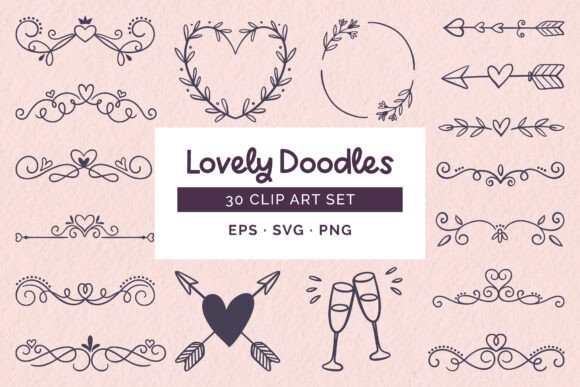
The Valentine Day Heart Background immediately evokes a sense of warmth and sentimentality. Its design is centered around a heart shape, often filled with intricate details like floral patterns, lace motifs, or subtle textures. The layout is clean, making it ideal for backgrounds rather than foreground elements. It feels like a design that could easily be adapted into various projects without overwhelming the overall aesthetic.
The theme is undeniably strong—perfect for love-themed items like greeting cards, wall art, or personalized gifts. However, its true value lies in how well it translates to different materials and embroidery techniques.
Real-World Embroidery Use Cases
When considering the Valentine Day Heart Background, I imagine a small business owner looking to create custom embroidered tote bags for a Valentine’s Day promotion. The design would work well as a background on a t-shirt or sweatshirt, especially if paired with a simple text element. It also has potential for baby items, such as onesies or blankets, where a soft, romantic motif can add a personal touch.
For an embroidery file, this design could serve as a base for applique design or satin stitch elements. It might also be used as a fill stitch background for more detailed embroidery, such as adding a name or date in a separate layer. The level of detail is moderate, which means it should work well on most standard embroidery machines without requiring overly complex settings.
One thing to consider is the stitch density. If the design is too dense, it may cause puckering on delicate fabrics or stretchy materials. Testing it on scrap fabric first is always a good idea before committing to a final project.
Where to Be Cautious: Design Limitations
While the Valentine Day Heart Background is visually appealing, there are some situations where it may not perform as well. For instance, on small hoop sizes, the design may feel cramped or lose some of its intricacy. This could be an issue when working on items like caps or baby clothes, where space is limited.
On textured fabrics or thin, stretchy materials, the design might not show up as clearly. In such cases, using the right stabilizer is crucial. Additionally, on dark fabric, the contrast between the design and the background may need adjustment, depending on the thread colors used.
If the design is intended for layered garments or curved surfaces, care must be taken to ensure the stitching doesn’t distort the design. The same applies to decorative accents or tiny lettering that might be added alongside the heart background.
Impact on Visual Appeal and Customer Perception
The Valentine Day Heart Background can significantly enhance the visual appeal of a handmade product or personalized gift. When executed well, it adds a professional touch that customers recognize and appreciate. It also helps build customer trust by showing attention to detail and quality craftsmanship.
For an Etsy seller or craft business, this design could be a valuable addition to a digital embroidery file collection. It’s versatile enough to fit into various printable mockups and design assets, making it a practical choice for small shop products or boutique branding.
However, the success of the design ultimately depends on how well it’s integrated into the final finished product. Poor execution—such as incorrect stitch density or mismatched thread colors—can quickly turn a beautiful design into a disappointing outcome.
Practical Designer Notes: What to Check Before Using
Before using the Valentine Day Heart Background in any project, here are a few key steps to take:
- Test the design on scrap fabric to see how it looks in different conditions.
- Check thread color contrast against the fabric to ensure visibility.
- Review stitch density to avoid puckering or distortion.
- Confirm hoop size requirements to make sure it fits your machine.
- Inspect small details to ensure they’re clear and functional.
- Test in black and white mockups to see how it looks without color.
- Compare light and dark fabric backgrounds to determine best use cases.
- Use proper stabilizer for delicate or stretchy materials.
- Verify licensing if the design will be sold as a digital product or used in commercial embroidery.
Final Thoughts: A Design That Works With Intention
The Valentine Day Heart Background is a solid choice for designers looking to incorporate a romantic, elegant motif into their work. It’s versatile, easy to adapt, and has the potential to elevate a wide range of custom apparel, embroidered patches, or holiday gifts.
But like any machine embroidery design, its success depends on how it’s applied. With careful consideration of fabric type, stitch settings, and finishing touches, this design can become a valuable asset in any craft business or embroidery project. Whether you're creating a tote bag design for a local market or a sweatshirt embroidery for a wedding gift, the Valentine Day Heart Background offers both beauty and functionality.