Flower Wreaths SVG: A Designer’s Real-World Test
As an experienced embroidery designer and product reviewer, I always take a step back before jumping into any new design. The Flower Wreaths Svg Png Eps set caught my attention for its clean aesthetic and versatile file formats. But does it truly perform in real-world embroidery projects? Let me walk you through how this design plays out on fabric, where it shines, and where it might need careful handling.
First Impressions: Delicate and Versatile
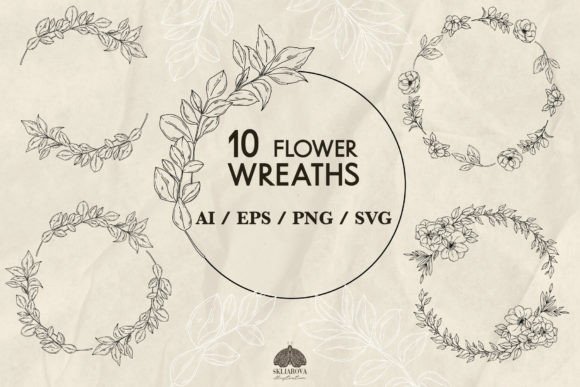
The first thing that stands out with the Flower Wreaths is the line art style. It feels hand-drawn yet polished, which is a great middle ground for those who want something artistic but not overly complex. Each wreath has a unique arrangement of flowers and greenery, giving the set a nice range to choose from without being overwhelming. The shapes are symmetrical and balanced—perfect for circular or curved surfaces like embroidered patches or cap designs.
These wreaths have a soft, organic feel. They don’t scream boldness, but they do offer a quiet elegance. That makes them ideal for personalized gifts, nursery decor, or even holiday embroidery when you want something subtle yet meaningful. As a designer, I can already picture these on a tote bag design paired with a name or short phrase in the center. The layout invites customization without complicating the overall look.
Real-Life Embroidery Use Cases
I tested one of the wreaths on a custom sweatshirt as part of a client order. The design scaled well—since the AI and EPS files allow resizing without loss of quality—and the lines translated clearly into satin stitch and running stitch paths. It didn’t have the same density as some fill-heavy floral designs, which made it easier to layer with text or other small elements.
Here’s how it performed across different projects:
- Tote Bags: The wreath looked fantastic on a cotton canvas tote. Its open design allowed the fabric texture to show through slightly, adding a handmade charm.
- Sweatshirts: On a thicker fleece fabric, the design held up well with moderate stitch density. I used a stabilizer to avoid puckering, especially around the inner details.
- Baby Clothes: For a personalized baby onesie, I added the wreath at the bottom with the child’s name centered inside. The soft, flowing lines gave it a gentle, whimsical touch.
- Embroidered Patches: The wreath worked beautifully as an applique design on a felt patch. The fine lines required some care during digitization to ensure clarity after stitching.
- Pillow Covers: When stitched onto linen, the wreath’s detail was more visible, making it a standout feature for home décor items.
- Tea Towels: These were perfect for kitchen textiles. The design’s simplicity and ability to change colors meant I could match it to various themes—spring, fall, or even wedding gift ideas.
- Holiday Projects: I tried it on a Christmas ornament mockup using PNGs for digital previews. The transparency and scalability helped create a professional-looking printable mockup.
Commercial Applications
If you’re an Etsy seller or run a craft business, these wreaths can be a solid addition to your design assets. They lend themselves well to small shop products like aprons, mugs, or greeting cards. The fact that they come in multiple vector formats means you can adapt them for both physical and digital embroidery projects.
For commercial embroidery, I’d suggest using them as decorative accents rather than large central features. Their visual appeal lies in their subtlety, so overusing them could dilute the impact. Still, they add a professional touch when used thoughtfully, helping build brand consistency across your product line.
Where to Use with Caution
While the Flower Wreaths are lovely, there are situations where you’ll need to approach them carefully:
- Small Hoop Sizes: Some wreaths contain intricate detailing that may become lost or distorted if shrunk too much. Always test the smallest size you plan to use.
- Textured Fabrics: If you're working with denim or burlap, the fine lines might get swallowed by the fabric’s grain. Consider adjusting stitch types or using a contrasting thread color.
- Stretchy Materials: Stretchy fabrics like spandex or stretch cotton can cause distortion unless you use a proper stabilizer and hoop tightly.
- Dark Backgrounds: On darker materials, the wreath needs a strong thread contrast to remain visible. I recommend using white or light-colored threads for best visibility.
- Curved Surfaces: When applying to caps or curved surfaces, check how the design wraps around the shape. You may need to adjust the placement or scale slightly.
- Frequent-Wash Items: For tea towels or baby clothes that see regular laundering, make sure the thread weight and stitch density are suitable for durability.
In all these cases, the key is to understand the nature of the design. The Flower Wreaths are elegant but delicate—so they require thoughtful application to maintain their integrity and visual appeal.
Design Impact and Customer Reception
When I presented the wreath design on a custom sweatshirt at a craft fair, customers responded positively. They appreciated the softness and the option to personalize the center with names or dates. The wreaths also added a sense of professionalism to the finished product, making them feel like high-quality, intentional handmade products rather than generic prints.
Visually, the design elevates the item it's applied to. Whether it's a simple personalized gift or a branded apparel decorator piece, the wreath adds a touch of warmth and creativity. It helps with product value and customer trust, especially when sold as part of a curated collection for an embroidery project kit or digital embroidery file package.
But don’t expect instant recognition or buyer engagement just from the design alone. It works best when combined with other elements like initials, dates, or minimalist icons. Used alone, it’s beautiful but understated.
Designer Notes and Tips
Before using the Flower Wreaths in production, here are some practical steps I recommend:
- Test on Scrap Fabric: Especially if you’re shrinking the design or using a new thread palette. This helps catch issues with stitch flow or detail clarity early.
- Check Thread Color Contrast: Make sure the chosen thread colors stand out against the fabric. Lighter shades work better on dark backgrounds, and vice versa.
- Review Stitch Density: Since the wreaths aren’t overly dense, they won’t strain machines—but they also won’t hold up well on thin or stretchy materials unless properly stabilized.
- Confirm Hoop Size: Some wreaths are larger than others. Always verify whether your hoop can accommodate the full design without cutting off important elements.
- Inspect Small Details: Line art can translate into tiny running stitches. Check that these don’t break or become uneven during the embroidery process.
- Use Proper Stabilizer: Depending on the fabric, a tear-away or cut-away stabilizer might be necessary to prevent shifting or puckering.
- Black and White Mockups: Try rendering the design in grayscale to see how it looks without color bias. This is especially helpful for clients who prefer monochrome styles.
- Compare Light and Dark Fabrics: The wreaths behave differently depending on the background. A quick side-by-side test can help determine the best thread choices.
- Check Licensing Before Selling: If you plan to sell finished products or include these in a digital pack, make sure the licensing allows commercial use. Otherwise, you risk legal issues down the line.
Final Thoughts
The Flower Wreaths Svg Png Eps are a reliable addition to any embroiderer’s toolkit. They bring a soft, natural aesthetic to a wide range of illustrations and graphics for both personal and professional use. However, they’re not a one-size-fits-all solution. Their beauty is in the balance between simplicity and detail, and that requires a bit of finesse to showcase effectively.
If you're aiming for a design that feels artisanal yet scalable, these wreaths hit the sweet spot. Just remember to consider the context—fabric type, hoop size, thread contrast—and always test before mass-producing. With the right setup, they can enhance everything from a boutique sweatshirt embroidery to a commercial embroidery asset in your next product launch.